
In today’s world, security is no longer optional — it’s essential. Whether you own a home, office, retail store, warehouse, or construction site, professional surveillance camera installation plays a crucial role in protecting your property, assets, and people.
Modern surveillance systems do more than just record footage. They provide real-time monitoring, remote access, crime deterrence, and valuable evidence in case of incidents.
In this blog, we’ll explore everything you need to know about surveillance camera installation, its benefits, types of systems, installation process, and why professional setup is important.
What Is Surveillance Camera Installation?
Surveillance camera installation involves setting up security cameras strategically around a property to monitor and record activities. These cameras are connected to a recording system such as:
- DVR (Digital Video Recorder)
- NVR (Network Video Recorder)
- Cloud-based storage systems
The goal is to provide 24/7 monitoring and improve overall security.
Why Surveillance Camera Installation Is Important
1. Crime Prevention
Visible security cameras deter:
- Theft
- Vandalism
- Trespassing
- Burglary
- Workplace misconduct
When criminals see cameras installed, they are less likely to target the property.
2. Real-Time Monitorin
Modern systems allow property owners to monitor their premises remotely via:
- Mobile apps
- Tablets
- Desktop computers
This enables quick action if suspicious activity is detected.
3. Evidence Collection
In case of incidents, surveillance footage provides:
- Clear identification of suspects
- Timeline verification
- Protection against false claims
- Support for insurance cases
Video evidence is extremely valuable in resolving disputes.
4. Improved Employee Productivity
In commercial settings, surveillance cameras encourage:
- Professional behavior
- Reduced time theft
- Lower internal theft
- Better compliance with company policies
Types of Surveillance Cameras
Before installation, it’s important to choose the right type of camera.
Dome Cameras
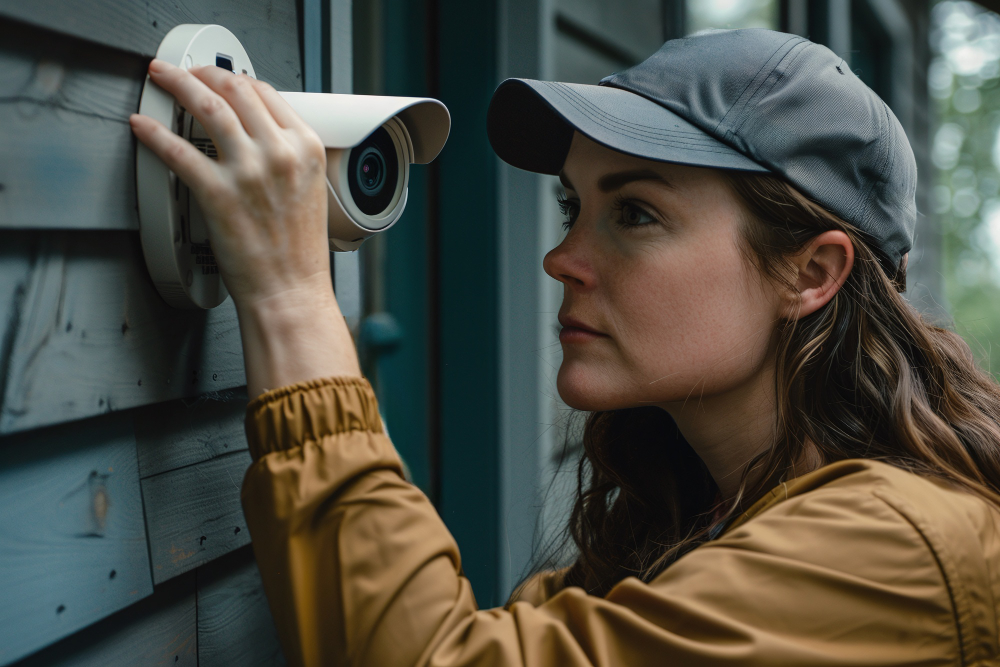
Ideal for indoor use and retail environments. Their design makes it difficult to tell which direction they are pointing.
Bullet Cameras
Suitable for outdoor areas due to their long-range visibility and weather resistance.
PTZ Cameras (Pan-Tilt-Zoom)
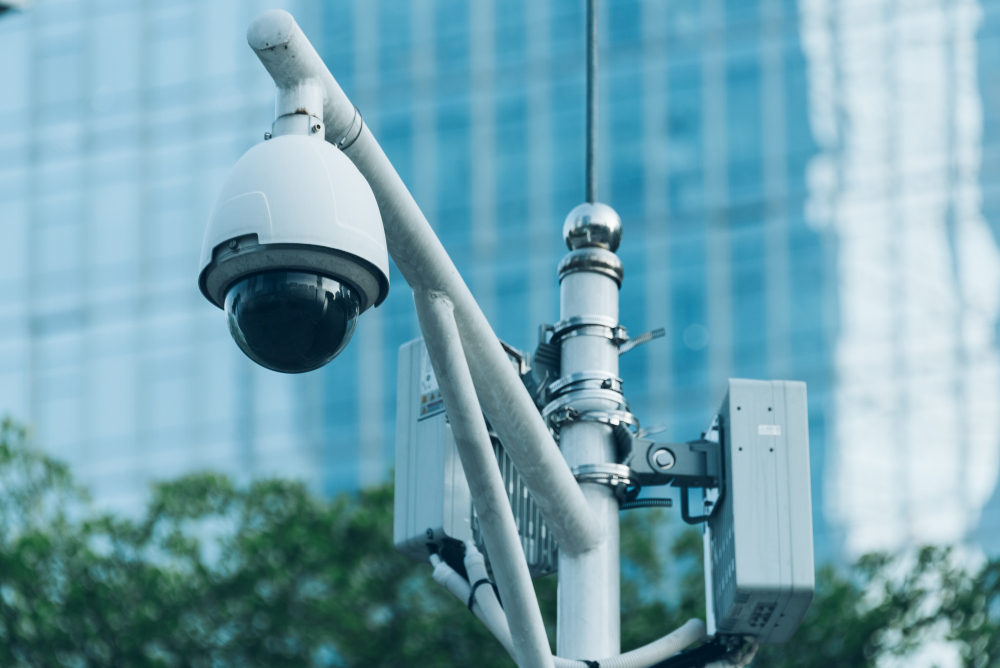
These cameras can rotate and zoom, allowing dynamic monitoring of large areas.
IP Cameras
Internet Protocol cameras provide high-resolution footage and remote accessibility.
Wireless Cameras
Easy to install and flexible for smaller properties.
Night Vision Cameras
Equipped with infrared technology for 24/7 monitoring in low-light conditions.
Steps Involved in Surveillance Camera Installation
Professional installation follows a structured process:
1. Site Assessment
Security experts evaluate:
- Entry and exit points
- High-risk areas
- Lighting conditions
- Property layout
- Power supply access
This ensures optimal camera placement.
2. Camera Placement Planning
Strategic placement includes:
- Main entrances
- Parking areas
- Storage rooms
- Perimeter boundaries
- Blind spots
Proper positioning maximizes coverage and eliminates weak areas.
3. Wiring and Connectivity
Depending on the system type:
- Cables are routed securely
- Network configuration is set up
- Recording devices are connected
- Power sources are installed safely
4. System Configuration
After physical installation, technicians:
- Configure recording settings
- Enable motion detection
- Set up remote viewing
- Adjust camera angles
- Test video quality
5. Testing and Training
The final step includes:
- System testing
- User training
- Maintenance guidance
- Backup configuration setup
This ensures the system functions properly and clients understand how to use it.
Benefits of Professional Surveillance Camera Installation
Proper Coverage
Experts know how to eliminate blind spots and ensure complete property monitoring.
High-Quality Setup
Professional installation ensures:
- Secure mounting
- Safe wiring
- Optimal resolution
- Reliable connectivity
Compliance with Regulations
Security professionals understand privacy laws and local compliance requirements.
Long-Term Reliability
Professional systems last longer and require fewer repairs.
Residential vs Commercial Installation
Residential Installation
Common for:
- Homes
- Apartments
- Gated communities
Focuses on:
- Entry doors
- Driveways
- Backyards
- Garages
Commercial Installation
Designed for:
- Retail stores
- Offices
- Warehouses
- Construction sites
- Industrial facilities
Often includes:
- Multi-camera networks
- Access control integration
- Alarm system integration
- 24/7 monitoring centers
Cost of Surveillance Camera Installation
Costs vary depending on:
- Number of cameras
- Type of system (wired or wireless)
- Property size
- Storage capacity
- Installation complexity
- Monitoring features
While DIY systems may seem cheaper, professional installation ensures long-term efficiency and security.
Maintenance and Suppor
After installation, regular maintenance is important:
- Firmware updates
- Camera cleaning
- Wiring checks
- Storage review
- System performance testing
Routine maintenance ensures your surveillance system continues to perform effectively.
Why Invest in Surveillance Camera Installation?
Installing a surveillance system offers:
✔ Crime deterrence
✔ 24/7 monitoring
✔ Remote access
✔ Legal protection
✔ Increased property value
✔ Improved safety
Security cameras provide peace of mind and protect both physical assets and people.
Final Thoughts
Professional surveillance camera installation is one of the most effective ways to secure homes and businesses. With advanced technology, remote monitoring capabilities, and high-resolution recording, modern surveillance systems offer complete protection.
Whether you need security for a small home or a large commercial property, investing in expert installation ensures your property remains safe, monitored, and protected at all times.