
Most people picture a security guard standing by a door. The reality is busier: a guard’s shift moves through patrols, access checks, documentation, and problem-solving that most clients never see happen.
If you’re deciding whether security guarding is worth the investment, it helps to understand what does a security guard do and what you’re actually paying for
As a security provider running guards across construction sites, warehouses, retail stores, and events throughout Alberta, we’ve built our post orders around one idea a guard should be doing something useful every hour, not just occupying space.
In this guide, you’ll learn what happens during a pre-shift briefing, how patrols and access monitoring actually work, how incidents get documented and escalated, and what a proper shift handoff looks like and what does a security guard do.
What happens during a security guard’s pre-shift briefing?
Every shift starts before the guard ever reaches their post. A pre-shift briefing covers the client’s specific post orders, any incidents from the previous shift, current risk factors (a break-in nearby, a disgruntled former employee, a large delivery expected), and equipment checks radio, flashlight, phone, and any site-specific access credentials.
A pre-shift briefing is a short handover meeting where an outgoing supervisor or guard passes on site-specific instructions, recent incidents, and current risks to the incoming guard. It typically runs 10–15 minutes and ensures no information gap between shifts. Skipping this step is one of the most common reasons a guard misses something a client later flags as “obvious.”
What does a security guard do and check during hourly patrols?
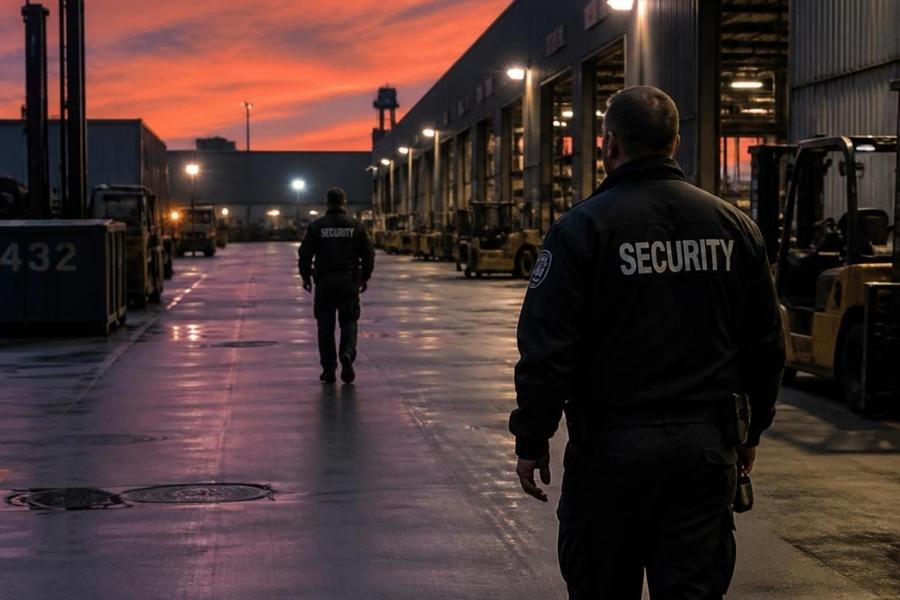
Once on post, a guard’s patrol routine isn’t random walking it follows a set route timed to hit vulnerable points before they become problems. That means checking locked doors and gates, scanning parking areas for suspicious vehicles, verifying that lighting and alarm systems are functioning, and confirming that restricted areas remain restricted.
A security guard’s patrol checks entry points, perimeter fencing, lighting, and any high-value or restricted areas on a set rotation, typically every 30–60 minutes depending on site risk. Guards vary their timing and route slightly each round so the pattern isn’t predictable to anyone watching from outside.
How do guards document and escalate incidents?
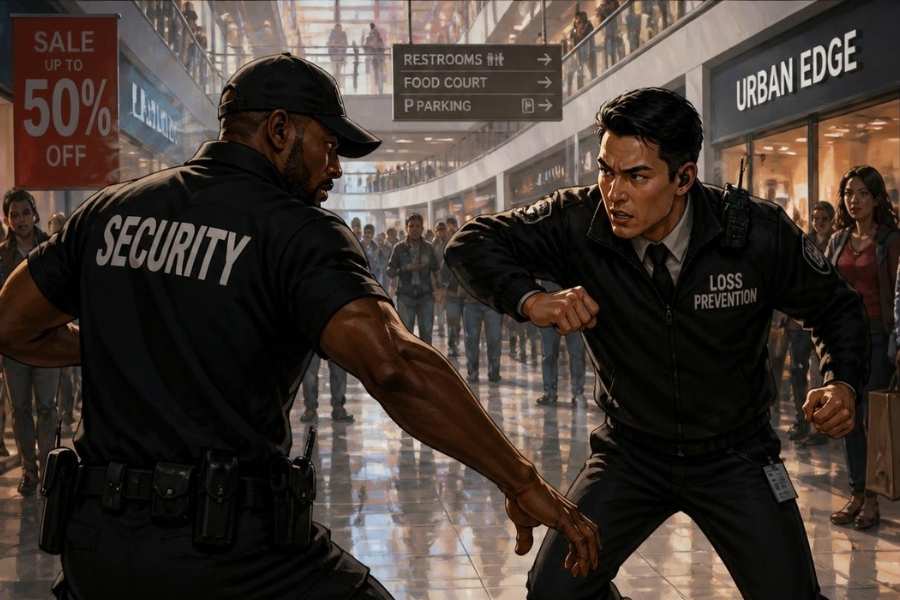
When something happens a trespasser, a broken lock, a medical issue how it gets handled next matters as much as noticing it in the first place. Guards are trained to record the time, location, and details of an incident immediately, contact police or emergency services when required, and notify the client or site manager without waiting until end of shift.
Incident documentation should include the exact time, a factual (not speculative) description of what occurred, any people or vehicles involved, and the action taken. This written record protects the client if the incident later becomes a police matter, insurance claim, or legal issue vague or delayed reporting is far less useful.
What happens during shift-change handoff?
The end of a shift is where a lot of value gets lost if it’s rushed. A proper handoff includes a written report covering everything that occurred, a verbal briefing to the incoming guard, and confirmation that keys, radios, and access credentials are transferred correctly.
A shift-change handoff should take at least 10 minutes and include a written incident log, a verbal summary of anything unresolved, and a physical transfer of equipment and access credentials. Sites that skip this step often see the same issue rediscovered and re-reported by the next shift instead of being tracked and closed out.
What separates a trained guard from an untrained one?
This is really the heart of it. Anyone can stand at a door. What makes a guard worth hiring is whether they notice the small things a car that’s circled the lot twice, a door propped open that shouldn’t be, a delivery driver who doesn’t match the manifest and whether they know exactly what to do next without waiting for instructions.
At Alpine, every guard is background checked, licensed in Alberta, and trained in first aid, emergency response, and site-specific protocols before they’re placed on a post. That training is what turns a shift from passive observation into active protection.
Now It’s Your Turn
If you’ve ever wondered whether a guard is “really doing anything” during a quiet shift, hopefully this breakdown answers that. A trained guard is working through a structured routine even when nothing visibly happens and that routine is exactly what prevents the visible incidents from happening in the first place.
Curious what a shift-by-shift security plan would look like for your Alberta property? Get a free quote from Alpine Protection Services or call +1 780-800-9903.
About Alpine Protection Services: Alpine Protection Services is a fully licensed and insured security guard company operating across Alberta, providing guards, mobile patrol, CCTV monitoring, and access control to businesses in Edmonton, Calgary, and beyond. Learn more about our services.
Frequently Asked Question: What Does a Security Guard Do?
1. What does a security guard do during a typical shift?
A security guard follows a structured routine that can include site patrols, access control, monitoring restricted areas, documenting incidents, checking security equipment, and responding to potential risks. The exact duties depend on the property’s needs and post orders.
2. How often do security guards conduct patrols?
Patrol frequency depends on the site’s risk level and security plan. Many sites require patrols every 30–60 minutes, with guards checking entrances, gates, parking areas, lighting, perimeter fencing, and restricted areas.
3. What happens during a security guard’s pre-shift briefing?
A pre-shift briefing gives the incoming guard important information about the site. It may cover post orders, recent incidents, current risks, expected visitors or deliveries, and equipment such as radios, phones, flashlights, and access credentials.
4. How do security guards document incidents?
Guards document incidents using factual details such as the time, location, people or vehicles involved, what happened, and what action was taken. Serious incidents may also be escalated to the client, site manager, police, or emergency services when required.
5. What happens when one security guard’s shift ends?
The outgoing guard provides a written report and verbal handoff to the incoming guard. Any unresolved issues, incidents, visitors, equipment concerns, keys, radios, and access credentials should be properly communicated or transferred so the incoming security guard knows what to do, what to monitor, what has already been handled, and what actions may still be required, which is an important part of what does a security guard do during a shift handoff.
6. What makes a trained security guard different from an untrained guard?
A trained guard does more than simply watch a location. They know how to identify unusual activity, follow site-specific procedures, respond to emergencies, document incidents accurately, and escalate problems appropriately. Proper training helps turn security from passive observation into active protection.