
Why Fire Watch Patrol Services Are Important
Fire hazards can happen unexpectedly in commercial buildings, construction sites, industrial facilities, and public properties. When fire alarm security, sprinkler service, or other safety equipment stop functioning properly, businesses must take immediate action to maintain protection.This is where a professional fire watch patrol becomes essential.
Fire watch patrol services help monitor properties for potential fire hazards, maintain safety during emergencies, and support proper emergency response procedures. Whether your property is undergoing renovations, experiencing a service outage, or conducting high-risk work, having a structured fire watch process is critical.
A properly organized fire watch operation helps protect people, property, equipment, and business operations from fire-related risks.
What Is a Fire Watch Patrol?
A fire watch patrol is a scheduled security monitoring process performed when fire protection services are unavailable or when high-risk conditions exist.
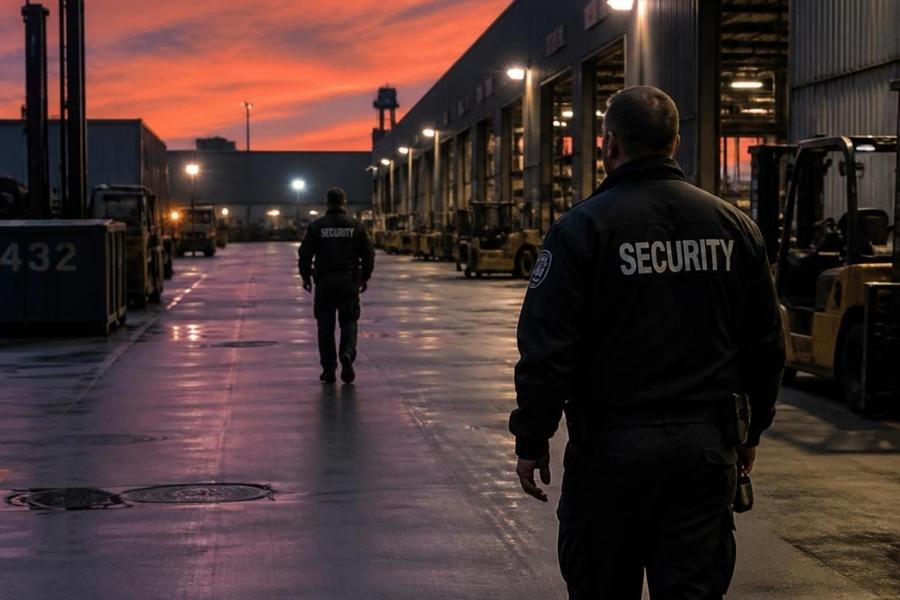
Professional fire watch guards are responsible for:
- Monitoring designated areas for hazards
- Identifying signs of fire risks
- Reporting safety concerns immediately
- Assisting during emergency situations
- Maintaining detailed patrol records
Fire watch patrols are commonly required during:
- Fire alarm security failures
- Sprinkler system shutdowns
- Construction and renovation projects
- Welding and hot work activities
- Power outages affecting safety services
These patrols help businesses maintain safer environments until systems are restored.
Understanding Fire Watch Procedures
Effective fire watch procedures help ensure that fire hazards are identified quickly and handled properly.
Strong procedures should include:
- Defined patrol schedules
- Assigned monitoring zones
- Emergency communication methods
- Hazard reporting protocols
- Evacuation procedures
A structured process improves accountability and ensures guards know exactly how to respond during emergencies.
Proper procedures also help businesses maintain organized operations during high-risk situations.
Step 1: Assess the Property and Risks
The first step in creating a fire watch patrol is understanding the risks involved.
Businesses should identify:
- Areas affected by service outages
- Locations with flammable materials
- High-risk work zones
- Occupied and unoccupied areas
- Emergency exits and access points
This assessment helps determine how extensive the patrol operation should be and what level of monitoring is required.
Understanding vulnerabilities is a critical part of creating an effective fire safety plan Alberta businesses can depend on.
Step 2: Develop a Fire Safety Plan
Knowing how to make a fire safety plan is essential for maintaining organized fire watch operations.
An effective plan should include:
- Patrol schedules and routes
- Emergency contact information
- Fire extinguisher locations
- Communication procedures
- Evacuation routes
- Hazard response instructions
The fire safety plan should clearly explain how guards and staff should respond if a fire hazard is detected.
A well-organized plan improves emergency preparedness and supports safer operations.
Step 3: Assign Trained Fire Watch Guards
Professional guards play a major role in successful fire watch patrol operations.
Qualified guards should have:
- Fire watch training
- Emergency response knowledge
- Strong observation skills
- Clear communication abilities
Their responsibilities include:
- Conducting regular patrols
- Monitoring high-risk areas
- Reporting hazards immediately
- Assisting with emergency evacuations
Using trained guards improves the effectiveness of fire watch operations and strengthens overall site safety.
Step 4: Establish Patrol Routes and Monitoring Areas
An organized patrol structure is an important part of effective fire watch procedures.
Patrol routes should cover:
- Mechanical and electrical rooms
- Hallways and stairwells
- Construction zones
- Storage areas containing flammable materials
- Entry and exit points
Regular patrols help ensure that all high-risk areas receive consistent monitoring.
Clearly defined checkpoints also improve documentation and accountability during operations.
Step 5: Maintain Proper Documentation
Detailed records are a key part of any professional fire watch checklist.
Guards should document:
- Patrol times and locations
- Observed hazards
- Actions taken during incidents
- Communication with management or emergency services
Proper documentation helps businesses maintain organized records and improve overall safety management.
Accurate reporting is also valuable for reviewing fire watch performance and identifying areas for improvement.
Fire Watch Checklist for Businesses
An effective fire watch checklist helps ensure that all important safety tasks are completed consistently.
Fire Watch Checklist:
- Inspect all designated monitoring areas
- Check emergency exits and access routes
- Monitor high-risk activities and equipment
- Verify access to fire extinguishers
- Ensure communication devices are functioning
- Record all patrol observations
- Report hazards immediately
- Maintain continuous patrol coverage
Using a checklist improves organization and helps reduce the risk of overlooked hazards.
Common Mistakes to Avoid During Fire Watch Operations
Businesses should avoid mistakes that reduce the effectiveness of fire watch patrols.
Common issues include:
- Inconsistent patrol schedules
- Poor communication procedures
- Failure to document activities
- Using untrained personnel
- Ignoring high-risk areas
Avoiding these mistakes helps maintain stronger fire protection and safer operations.
Why Professional Fire Watch Security Guard Services Matter
Fire watch operations require attention, experience, and continuous monitoring. Professional guards provide the reliability needed to manage fire-related risks effectively.
At Alpine Protection Services, we provide reasonable and affordable fire watch security guard services for construction sites, industrial properties, commercial buildings, and high-risk environments.
Our trained guards help businesses maintain safer operations by:
- Conducting regular fire watch patrols
- Monitoring fire hazards
- Responding quickly to emergencies
- Supporting organized fire safety procedures
Benefits of a Professional Fire Watch Patrol
An organized fire watch patrol offers several important advantages:
- Improved fire hazard detection
- Enhanced emergency preparedness
- Better safety awareness
- Reduced risk of property damage
- Increased protection for employees and visitors
Most importantly, it helps businesses maintain safer environments during system outages and high-risk situations.
Inquire Now for Professional Fire Watch Security Guard Services
Protect your property, employees, and operations with reliable fire watch monitoring.
Inquire now for professional, reliable, and affordable fire watch security guard services from Alpine Protection Services. Our trained guards are ready to help keep your property safe, secure, and fully protected during high-risk situations
Frequently Asked Questions (FAQs)
1. What is a fire watch patrol?
A fire watch patrol involves trained guards monitoring a property for fire hazards during service failures or high-risk activities.
2. What are fire watch procedures?
Fire watch procedures are organized steps used to monitor fire risks, report hazards, and maintain emergency preparedness.
3. How do you make a fire safety plan?
A fire safety plan includes patrol schedules, emergency contacts, evacuation routes, hazard response instructions, and communication procedures.
4. What is included in a fire watch checklist?
A fire watch checklist includes patrol inspections, hazard monitoring, emergency communication checks, and documentation procedures.
5. Why is a fire safety plan important in Alberta?
A fire safety plan helps businesses maintain organized emergency procedures and improve fire hazard monitoring during high-risk situations.
6. Why should businesses hire professional fire watch guards?
Professional guards provide continuous monitoring, quick emergency response, and reliable fire hazard detection.