
What Is Fire Watch Hot Work?
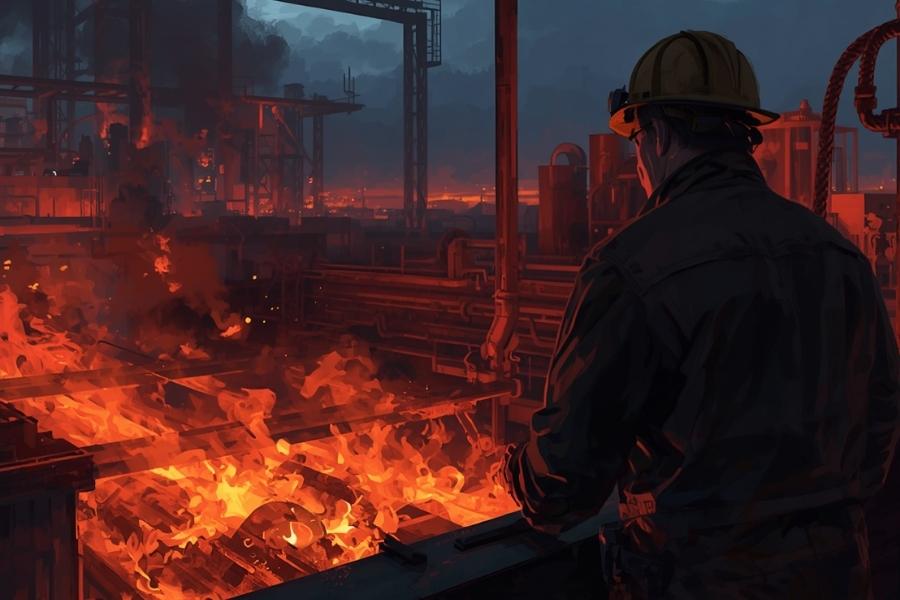
Fire watch hot work refers to safety monitoring during and after activities that produce heat, sparks, or open flames such as welding, cutting, grinding, or brazing.
These activities can easily start fires if proper precautions are not followed. That is why a trained fire watch is assigned to continuously monitor the work area.
A fire watch welding setup ensures that even if sparks escape or materials overheat, immediate action can be taken to prevent fire incidents.
Hot work environments commonly include:
- Construction sites
- Industrial workshops
- Oil and gas facilities
- Warehouses
- Manufacturing plants
Hot Work Fire Watch Requirements
Understanding hot work fire watch requirements is essential for maintaining workplace safety and compliance.
The basic requirements include:
1. Pre-Work Risk Assessment
Before any hot work begins, the area must be inspected for flammable materials, gas leaks, or unsafe conditions.
2. Assigning a Fire Watch Guard
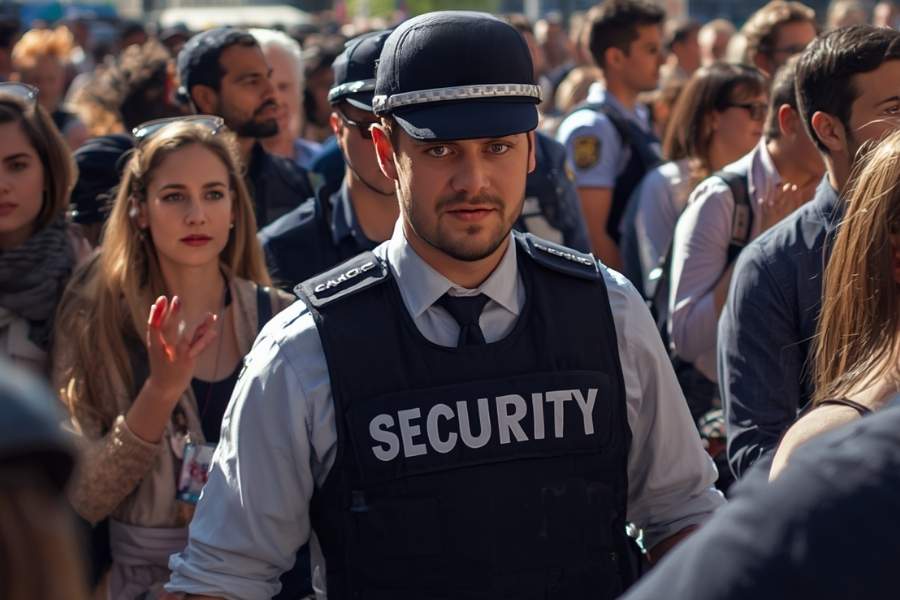
A dedicated fire watch must be present during the entire operation. This individual should focus only on monitoring fire risks.
3. Fire Extinguishers On-Site
Suitable fire extinguishers must be placed within easy reach of the work area.
4. Continuous Monitoring
The fire watch must observe the entire area where sparks or heat may spread.
5. Post-Work Monitoring
Even after welding or cutting is complete, the area must be monitored for hidden sparks or smoldering materials.
These steps ensure compliance with Alberta fire code hot work safety expectations and reduce the risk of workplace fire incidents.
Fire Watch Welding: Why It Is Critical
Fire watch welding is one of the most important safety measures in industrial and construction environments.
Welding produces extremely high temperatures and flying sparks, which can:
- Travel long distances
- Enter small cracks or hidden areas
- Ignite flammable dust or materials
- Cause delayed fires after work completion
Even if the welding area appears safe, heat may remain trapped inside surfaces or materials.
This is why welding activities must always be supported by trained fire watch personnel who understand how fire develops and spreads.
Fire Watch After Hot Work: Why Monitoring Must Continue
One of the most overlooked safety steps is fire watch after hot work.
Many fire incidents occur not during welding—but after the work has stopped.
This happens because:
- Sparks remain active inside debris
- Heat continues to build inside materials
- Workers leave the site too early
- Hidden fire sources go unnoticed
Post-work monitoring ensures that no fire risk remains before the area is fully cleared.
How Long Is Fire Watch After Hot Work?
A very common question in workplace safety is:
How long is fire watch after hot work required?
The standard safety guideline is:
- Fire watch must continue during all hot work activities
- After completion, monitoring should continue for at least 60 minutes
- In high-risk environments, extended observation may be required
This 60-minute post-work period is critical because many fires develop slowly and are not immediately visible.
The duration may also depend on:
- Type of material being worked on
- Presence of flammable substances
- Ventilation conditions
- Size of the workspace
A trained fire watch ensures this period is properly maintained without shortcuts.
Responsibilities of a Fire Watch During Hot Work
A fire watch plays a key role in preventing fire incidents.
Their responsibilities include:
Continuous Area Monitoring
Watching for sparks, smoke, or unusual heat.
Equipment Inspection
Ensuring fire extinguishers are accessible and functional.
Communication
Reporting hazards immediately to site supervisors.
Emergency Response
Taking quick action if a fire starts.
Post-Work Inspection
Checking hidden areas where fire may smolder.
These responsibilities ensure full compliance with hot work fire watch requirements and improve overall site safety.
Safety Checklist for Fire Watch Hot Work
To maintain safe operations, follow this simple checklist:
- Remove flammable materials from the area
- Set up fire-resistant barriers if needed
- Assign a dedicated fire watch guard
- Keep extinguishers ready and accessible
- Monitor continuously during work
- Inspect area after work completion
- Maintain post-hot work observation for at least 60 minutes
- Document safety checks and observations
This checklist helps reduce risks and ensures proper safety compliance.
Why Professional Fire Watch Services Matter
Relying on trained professionals for fire watch hot work significantly improves safety outcomes.
Professional fire watch personnel:
- Understand fire behavior and risk zones
- Act quickly in emergency situations
- Maintain constant focus during high-risk tasks
- Follow strict safety procedures
- Reduce chances of property damage or injury
At Alpine Protection Services, we provide reasonable and affordable security guard services across Alberta for fire watch and hot work environments.
We specialize in providing security guard services, not security solutions—ensuring trained personnel are present on-site when safety matters most.
Key Takeaway
Fire safety during hot work is not optional it is essential.
Whether it is welding, cutting, or grinding, every operation must include:
- A trained fire watch during work
- Proper equipment and supervision
- A minimum 60-minute post-hot work fire watch
This ensures compliance with safety standards and protects lives, property, and operations.
Frequently Asked Questions (FAQs)
1. What is fire watch hot work?
Fire watch hot work refers to monitoring during and after welding, cutting, or other heat-producing activities to prevent fire hazards.
2. What are hot work fire watch requirements?
Requirements include risk assessment, assigning trained fire watch personnel, continuous monitoring, fire extinguisher availability, and post-work observation.
3. Why is fire watch welding necessary?
Fire watch welding is necessary because sparks and heat can ignite surrounding materials, even after welding is completed.
4. How long is fire watch after hot work required?
Fire watch should continue for at least 60 minutes after hot work is completed, depending on site risk levels.
5. What does a fire watch do after hot work?
They inspect the area for hidden sparks, monitor for smoke or heat, and ensure no fire risk remains before clearing the site.
6. Who needs fire watch hot work services?
Construction companies, industrial facilities, oil and gas sites, warehouses, and manufacturing plants commonly require fire watch services.
arehouses, and manufacturing plants commonly require fire watch services.