

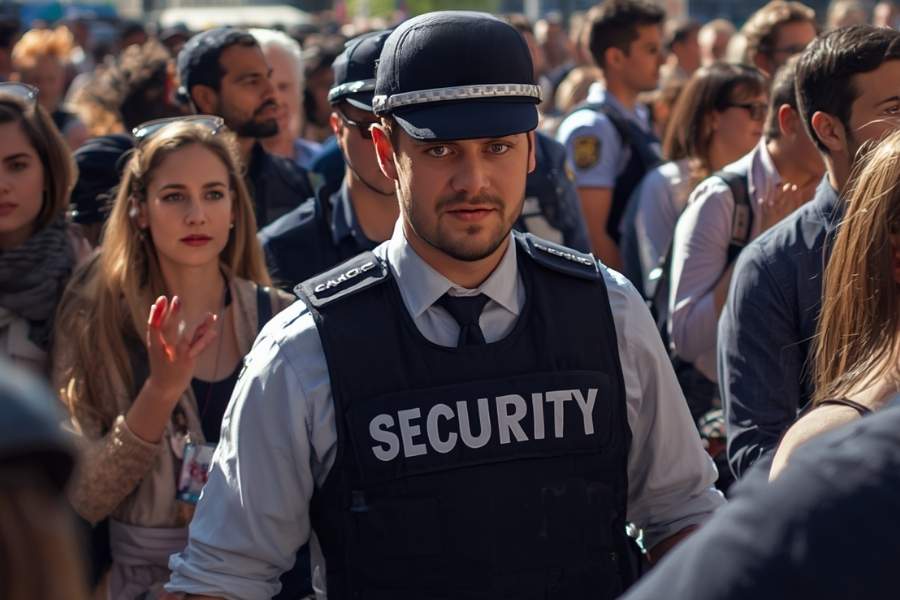
Why Crowd Control Security Is Essential for Every Event
Whether you’re organizing a concert, festival, sporting event, corporate conference, parade, or community gathering, crowd control security is essential for ensuring the safety of attendees. Large crowds can quickly become difficult to manage without proper planning, trained personnel, and effective security measures..
Implementing strong crowd control security practices helps prevent overcrowding, reduce safety risks, improve traffic flow, and create a positive experience for everyone attending your event.
From managing entry points to responding to emergencies, a well-executed crowd control plan protects guests, staff, vendors, and property while helping your event run smoothly from start to finish.
Understanding Crowd Control Management
Effective crowd control management involves planning, monitoring, and directing the movement of people before, during, and after an event.
The goal is to maintain order while ensuring attendees can move safely throughout the venue without confusion or unnecessary delays.
Good crowd management helps reduce the risk of:
- Overcrowding
- Unauthorized access
- Injuries
- Panic during emergencies
- Property damage
- Long entry and exit delays
- Conflicts between attendees
Successful events rely on preparation rather than reacting to problems after they occur.
1. Plan the Venue Layout Carefully
Every successful event begins with a well-designed site plan.
Before attendees arrive, organizers should evaluate:
- Entry and exit points
- Emergency exits
- Parking areas
- Ticket checkpoints
- Vendor locations
- Restroom placement
- Emergency vehicle access
- Walking routes
Clear pathways reduce congestion and help attendees move efficiently throughout the venue.
Avoid creating bottlenecks near entrances, food vendors, or entertainment areas where crowds naturally gather.
Proper planning is one of the most effective crowd control strategies.
2. Install Event Crowd Control Barriers
High-quality event crowd control barriers help organize large groups while preventing unauthorized access to restricted areas.
Barriers can be used to:
- Guide entry lines
- Separate VIP areas
- Protect performers
- Control pedestrian traffic
- Secure backstage areas
- Prevent overcrowding
Using barriers strategically helps security personnel direct attendees while reducing confusion and maintaining safe crowd movement.
Temporary fencing, stanchions, and barricades should be positioned before the event begins and inspected regularly throughout the day.
3. Hire Professional Crowd Control Security Guards
One of the most important investments for any event is experienced crowd control security guards.
Professional security guards help maintain order while creating a safe and welcoming environment for guests.
Their responsibilities may include:
- Monitoring entrances
- Checking tickets or credentials
- Managing queues
- Preventing unauthorized access
- Responding to disturbances
- Assisting guests
- Coordinating emergency responses
- Communicating with event organizers
A visible security presence often discourages disruptive behavior before problems develop.
At Alpine Protection Services, we provide reasonable and affordable crowd control security guard services for concerts, festivals, sporting events, corporate gatherings, and public events across Alberta.
We provide professional security guard services not security services focused on maintaining safety, reducing risks, and supporting successful events.
4. Develop an Emergency Response Plan
Even well-organized events should prepare for unexpected situations.
Emergency planning should include procedures for:
- Medical emergencies
- Fire incidents
- Severe weather
- Lost children
- Suspicious activity
- Power outages
- Evacuations
All event staff and security personnel should understand their responsibilities before the event begins.
Conducting pre-event briefings ensures everyone knows how to respond quickly and effectively.
Prepared teams can significantly reduce confusion during emergencies.
5. Communicate Clearly with Attendees
Good communication improves crowd safety and overall event organization.
Attendees should easily understand:
- Where to enter
- Where to exit
- Parking locations
- Emergency exits
- Restricted areas
- First aid stations
- Information booths
Communication tools may include:
- Directional signs
- Digital displays
- Public address systems
- Event maps
- Staff announcements
Providing clear information reduces frustration and helps attendees make informed decisions throughout the event.
6. Monitor Crowd Behavior Continuously
Crowds constantly change throughout an event.
Security teams should continuously monitor:
- Crowd density
- Entry lines
- Exit routes
- High-traffic areas
- Suspicious behavior
- Potential conflicts
Early identification of problems allows security personnel to intervene before situations escalate.
Continuous monitoring also helps organizers adjust staffing levels when necessary.
Combining security personnel with surveillance systems provides better visibility across large venues.
7. Prioritize Concert Safety Tips for Large Gatherings
Concerts often present unique crowd management challenges because attendees naturally gather near performers and stages.
Following proven concert safety tips helps improve safety for everyone involved.
Best practices include:
- Prevent overcrowding near stages
- Monitor crowd density continuously
- Maintain emergency access routes
- Keep security personnel visible
- Establish designated medical areas
- Control entry and exit points
- Communicate regularly with attendees
Large entertainment events require careful planning to balance attendee enjoyment with public safety.
Proper preparation reduces the likelihood of accidents and improves the overall event experience.
Additional Crowd Control Best Practices
Beyond physical security measures, organizers should also:
- Train all event staff on emergency procedures
- Coordinate with local emergency services when necessary
- Conduct pre-event security inspections
- Review venue capacity limits
- Prepare contingency plans for changing weather
- Test communication equipment before attendees arrive
Successful crowd management depends on preparation, teamwork, and continuous monitoring.
Benefits of Effective Crowd Control Security
Strong crowd control measures provide several important advantages.
These include:
- Improved public safety
- Faster emergency response
- Reduced risk of injuries
- Better attendee experience
- Organized traffic flow
- Protection of event property
- Increased confidence among organizers
- More efficient event operations
Safe events create positive experiences that encourage attendees to return in the future.
Frequently Asked Questions (FAQs)
1. What is crowd control security?
Crowd control security involves managing the movement and behavior of people during events to maintain safety, prevent overcrowding, and respond effectively to emergencies.
2. Why are crowd control security guards important?
Crowd control security guards help monitor attendees, enforce venue rules, manage entry points, respond to incidents, and create a safe environment for guests and staff.
3. What are the best event crowd control barriers?
Common options include temporary fencing, metal barricades, stanchions, retractable belt barriers, and portable crowd control systems designed for different event types.
4. How does crowd control management improve event safety?
Crowd control management reduces congestion, improves pedestrian flow, minimizes safety risks, and ensures quicker emergency response when needed.
5. What are some important concert safety tips?
Important concert safety tips include maintaining clear emergency exits, monitoring crowd density, positioning trained security personnel throughout the venue, and communicating clearly with attendees.
6. When should crowd control planning begin?
Crowd control planning should begin well before the event to allow sufficient time for venue assessments, staffing, emergency planning, equipment setup, and security coordination.