
Understanding Construction Fire Safety
Construction fire safety refers to the procedures, equipment, and personnel used to prevent, detect, and respond to fire hazards throughout a construction project.
Construction projects are filled with potential fire hazards. From welding and cutting to temporary electrical installations and combustible building materials, every stage of construction presents unique risks that require careful planning and supervision. This is why construction fire safety is one of the most important responsibilities for contractors, project managers, property owners, and developers across Alberta.
In addition to protecting workers and equipment, maintaining proper fire safety helps ensure compliance with provincial regulations and minimizes costly project delays. One of the most important aspects of fire safety on active job sites is understanding when a fire watch is required and how trained personnel help reduce the risk of fire emergencies.
This guide explains Alberta’s construction fire safety requirements, when fire watch guards are necessary, compliance responsibilities, and best practices for maintaining a safe work environment.
Unlike completed buildings, construction sites often have:
- Temporary electrical systems
- Exposed combustible materials
- Open structures
- Ongoing hot work
- Disabled fire alarms
- Incomplete sprinkler systems
- Heavy equipment operating near flammable materials
These changing conditions make construction sites far more vulnerable to fire than occupied buildings.
A comprehensive fire safety program helps identify hazards before they become emergencies while ensuring workers know how to respond if a fire occurs.
Why Construction Fire Safety Is Important
Every year, construction-related fires result in significant property damage, project delays, and injuries. Many of these incidents are preventable with proper planning and continuous monitoring.
An effective construction site fire safety plan helps:
- Protect workers and visitors
- Reduce property damage
- Prevent equipment loss
- Minimize project downtime
- Meet Alberta regulatory requirements
- Improve emergency preparedness
- Lower overall project risk
Fire safety is not only about responding to emergencies—it focuses primarily on preventing them from happening in the first place.
When Is a Fire Watch Required on Construction Sites?
One of the most common questions contractors ask is when fire watch personnel are legally required.
Although requirements vary depending on the project and local authority, fire watch personnel are commonly needed in several situations.
Fire Alarm System Is Out of Service
If a building’s fire alarm system is temporarily shut down due to maintenance, repairs, or renovations, continuous monitoring may be required until the system is restored.
Fire watch guards patrol the site and immediately report any signs of smoke or fire.
Sprinkler System Is Disabled
Construction activities often require sprinkler systems to be isolated temporarily.
Without automatic fire suppression, additional monitoring helps maintain a safe working environment.
Hot Work Activities
Operations that generate flames, sparks, or intense heat present one of the greatest fire hazards on any construction site.
Examples include:
- Welding
- Torch cutting
- Grinding
- Brazing
- Soldering
- Roofing with open flames
Because sparks can travel long distances and ignite combustible materials, fire watch personnel remain alert throughout these activities.
High-Risk Construction Projects
Projects involving fuel storage, temporary heating systems, demolition work, or hazardous materials often require additional fire prevention measures.
A dedicated fire watch helps identify hazards before they escalate into emergencies.
Developing a Construction Site Fire Safety Plan
Every construction project should have a detailed construction site fire safety plan before work begins.
A good fire safety plan includes:
Hazard Identification
Identify potential ignition sources such as:
- Electrical equipment
- Hot work operations
- Fuel storage
- Temporary heaters
- Flammable liquids
Emergency Procedures
Workers should know:
- Emergency evacuation routes
- Assembly points
- Emergency contact numbers
- Fire extinguisher locations
Everyone on site should understand their responsibilities during an emergency.
Fire Prevention Measures
Preventive measures include:
- Proper housekeeping
- Safe storage of combustible materials
- Controlled hot work procedures
- Equipment inspections
- Smoking restrictions
- Safe electrical installations
Good housekeeping alone significantly reduces fire hazards on construction sites.
Fire Watch Responsibilities
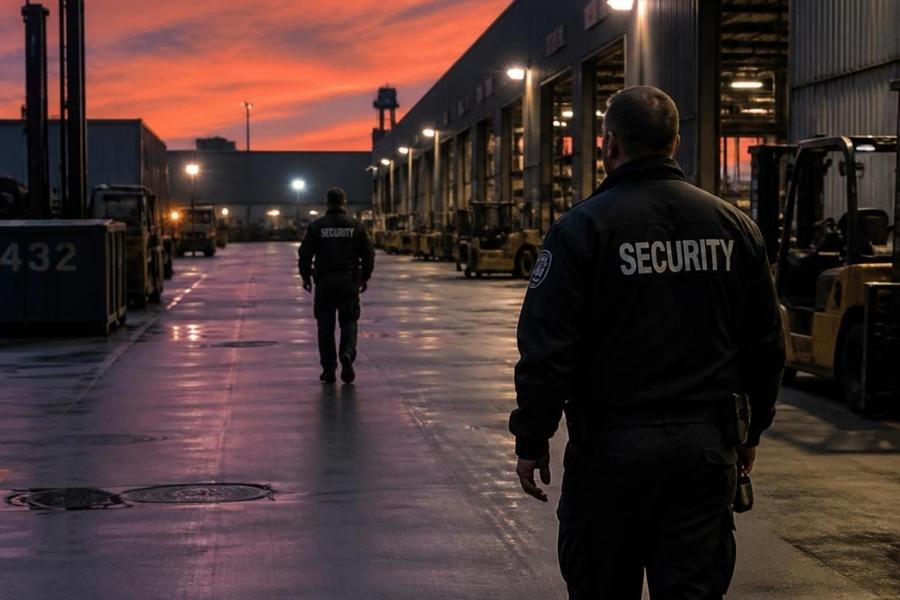
When required, fire watch personnel continuously monitor designated work areas, identify hazards, and immediately report emergencies.
Their responsibilities include:
- Conducting regular patrols
- Watching for smoke or flames
- Reporting hazards
- Assisting during evacuations
- Maintaining fire watch records
- Communicating with site supervisors
Fire Safety on Construction Sites During Hot Work
Hot work is one of the leading causes of fires in construction environments.
Activities involving open flames or sparks require extra precautions because fires may not develop immediately after work has finished.
Common hot work includes:
- Arc welding
- Gas welding
- Metal cutting
- Grinding
- Brazing
- Torch roofing
Following established fire watch regulations helps reduce the likelihood of hidden fires developing after hot work operations are complete.
Workers should also ensure combustible materials are removed or protected before work begins.
Alberta Compliance Responsibilities
Construction companies are responsible for maintaining safe worksites throughout every stage of the project.
Depending on the work being performed, compliance may require:
- Fire safety inspections
- Hot work permits
- Daily fire watch logs
- Emergency communication procedures
- Fire extinguisher inspections
- Equipment maintenance records
- Supervisor approvals
Maintaining accurate documentation demonstrates due diligence and supports regulatory compliance during inspections.
Best Practices for Fire Safety Construction Projects
Strong fire safety construction practices help reduce risk and improve workplace safety.
Conduct Regular Site Inspections
Inspect the worksite daily to identify:
- Blocked exits
- Combustible waste
- Damaged electrical equipment
- Fuel leaks
- Unsafe storage practices
Early detection prevents larger problems later.
Train Workers Regularly
Every worker should understand:
- Fire hazards
- Emergency reporting procedures
- Evacuation plans
- Fire extinguisher operation
- Hot work procedures
Training creates a safer work environment for everyone.
Keep Fire Equipment Accessible
Fire extinguishers should remain visible, inspected, and easily accessible throughout the project.
Equipment should never be blocked by construction materials.
Maintain Good Housekeeping
Clean construction sites are safer construction sites.
Remove waste materials regularly and keep combustible items away from ignition sources.
Assign Professional Fire Watch Personnel
Experienced fire watch guards provide continuous monitoring during high-risk activities and help ensure site safety throughout construction operations.
At Alpine Protection, we provide reasonable and affordable security guard services for construction sites throughout Alberta. Our trained personnel help contractors maintain safe job sites by performing professional fire watch duties and supporting construction fire safety requirements from project start to completion.
Why Professional Fire Watch Services Matter
Construction schedules often change unexpectedly. Equipment failures, emergency repairs, and after-hours work can require immediate fire watch coverage.
Professional security guard services provide:
- Continuous site patrols
- Hazard monitoring
- Emergency reporting
- Fire watch documentation
- Communication with site supervisors
- Support for regulatory compliance
Inquire now to learn how Alpine Protection can provide dependable fire watch security guard services for your next construction project.
Frequently Asked Questions
1. What is construction fire safety?
Construction fire safety refers to the policies, procedures, equipment, and personnel used to prevent, detect, and respond to fire hazards on active construction sites.
2. Why is a construction site fire safety plan important?
A construction site fire safety plan helps identify hazards, establish emergency procedures, reduce fire risks, and ensure workers understand their responsibilities during emergencies.
3. When is a fire watch required on construction sites?
Fire watch personnel may be required during hot work, when fire alarm or sprinkler systems are out of service, or whenever high-risk construction activities create additional fire hazards.
4. What are common fire hazards on construction sites?
Common hazards include welding, cutting, temporary electrical systems, fuel storage, combustible materials, temporary heating equipment, and poor housekeeping.
5. Who should perform fire watch duties?
Fire watch duties should be performed by trained personnel who understand emergency procedures, fire hazard identification, communication protocols, and continuous site monitoring.