
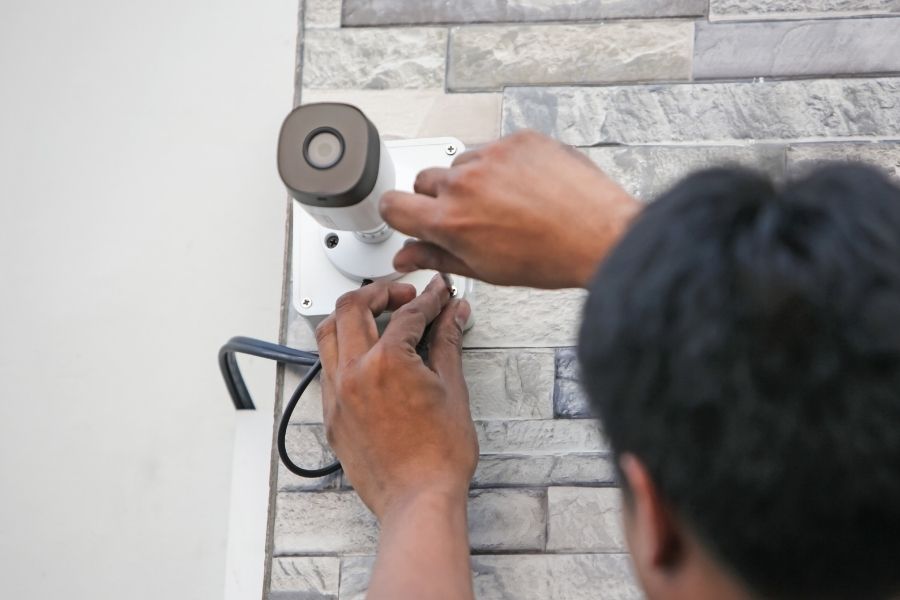
If there’s a camera in the wrong position, the video is practically worthless if you ever need it as it may be too dark, too up, or just off-target. The actual decision on where to place the cctv camera placement guide in the building is what the real value of the surveillance camera installation occurs, rather than the specs of the camera itself.
CCTV camera placement guide principles are those we use every time we install a camera, which are customized for each property type, but we use all the time on retail, warehouse and construction properties throughout Alberta.
This guide is designed to give general recommendations for placement rules; specific recommendations for retail stores, warehouses and construction sites are provided.
What are the general rules for camera height and angle?
The height of camera is more important than many realize. If they are too high, you are getting the top of the head and not the face not helpful for identification. If it is too low, the camera could be damaged or obstructed from view. The standard is to mount at about 8-10 feet, slightly downwards relative to the face height in which a person would normally pass.
The cameras should be positioned at around 8-10 ft and pointed at a natural walking speed, not higher to get a broader view but lose identification detail. Angle is important, but so is lighting don’t point a camera into a window or a bright exterior light source, as this will result in backlight and will make anyone who walks through a silhouette.
Where should cameras go in a retail store?
Retail stores should be covered at all entrance/exit points, right at the point of sale to capture transactions, at high value product aisles or displays, and at stock room or employees only entrances. The same degree of overlap at the entrance and at the register means that you are never in danger of having a single camera failure in the two most critical areas.
Retail camera locations should be on the entrances, at points of sale, in high value merchandise zones and access to the stockroom, and more than one camera should be at the entrance and register to prevent having just one point of failure. This is also where security cameras installer near me look the most as it is not like retail placement which has enough subtlety for most retail owners to prefer professional planning over do-it-yourself.
Where should cameras go in a warehouse?
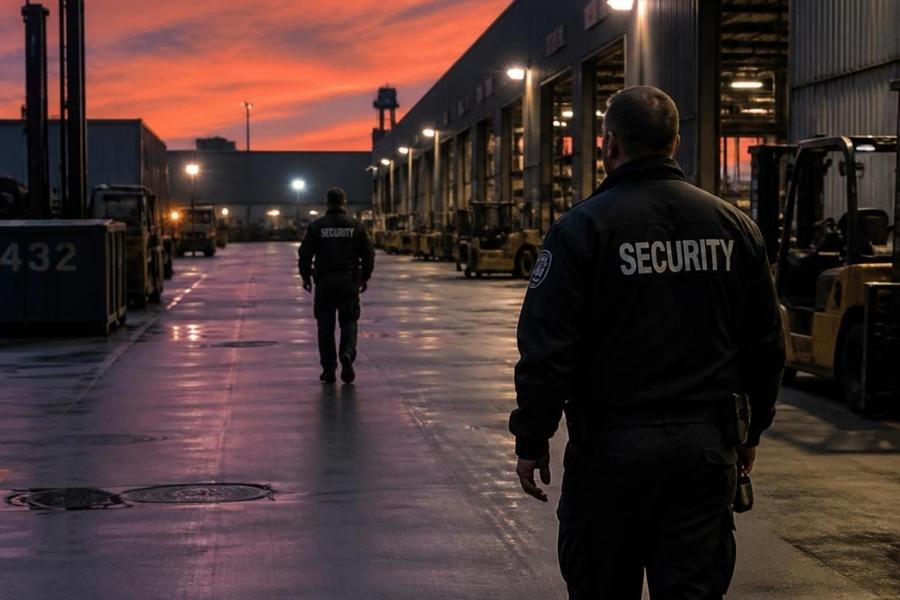
In a warehouse environment, a CCTV camera placement guide should account for the size and layout of the space. Cameras should cover each loading dock door, main aisles where products move, perimeter doors and fire exits, as well as staging areas where products may be temporarily stored before shipment. Another important consideration is ceiling height, as standard mounting heights may not apply in a warehouse with 20-foot-high ceilings..
It should be noted that camera placement should be related to loading docks, main aisles, perimeter access doors and staging areas, and camera selection should be based upon the actual ceiling height of the warehouse, not standard mounting distance. The wide angle cameras will give you more of the warehouse floor area than the high detail cameras at an entry point.
Where should cameras go on a construction site?
The placement issue on construction projects is the temporary nature of the “building” to be protected and the fact that the layout is undergoing changes as construction advances. Cameras should be located at the main site entrance and any equipment and materials laydown area mounted on mobile trailers or temporary poles to accommodate site developments and preferably overhead to provide a view of any high value machinery overnight.
A mobile or temporary camera mount is the preferred option for the camera positioning on a construction site, as it can be positioned to track site access and the area where equipment is laid up, and the camera plan can quickly become outdated on a working construction site. Mobile units are found in sites where there is no permanent power connection, and are often solar-powered.
Now It’s Your Turn
The difference between footage that actually helps you, and footage that just exists, is good placement. The placement problems that can occur are caught by a quick walk through before installation, and are expensive to correct afterwards.
Looking to have a camera placed at your property for an evaluation? Request a complimentary quote from Alpine Protection Services or give them a call at +1 780-800-9903.
APS is a system designed and installed by Alpine Protection Services for Alberta retail, warehouse and construction properties, according to a particular property layout and risk zone. Read our complete Surveillance Camera Installation Guide.
Frequently Asked Questions About CCTV Camera Placement Guide
1. What is the best height for CCTV cameras?
The typical height at which CCTV cameras are mounted is about 8–10 feet. This provides a good balance between security and visibility. The height will be dependent on the property and camera type.
2. Where should CCTV cameras be placed in a retail store?
The camera should be positioned to monitor entrances and exits, checkout counters, high-value items, aisles, and stockrooms. Overlapping camera coverage is essential for reducing blind spots and enhancing security in critical areas. A CCTV camera placement guide can help determine the most effective angles and positions for each camera.
3. Where should cameras be installed in a warehouse?
The main doors, access doors, loading docks, main aisles, storage areas, staging areas and cameras are the preferred areas for warehouse cameras. For large rooms and high ceilings, the camera’s height and lens must be set accordingly.
4. Where should construction site cameras be placed?
Construction cameras should be installed in zones of material storage, equipment areas, site access and perimeter areas. Mobile or temporary cameras can be relocated as the layout of construction evolves.
5. How can CCTV camera blind spots be reduced?
Careful planning of camera angles and overlapping shots can create less “dead space” and improve overall coverage. As part of a CCTV camera placement guide, a professional site assessment can uncover blocked areas, identify potential blind spots, and determine the most effective locations for each camera.
6. Do I need professional CCTV camera installation?
Professional installation ensures that cameras will be placed correctly and will provide helpful coverage. Professionals are also able to uncover blind spots and suggest the proper cameras for each region of your property.